
Walk in the centre and around the harbour, then use buses for longer connections. If your First journeys cost £2.60 ≈ €3.11 each, compare the total with the daily Tap On Tap Off cap of £6.80 ≈ €8.12 in the Bristol zone. The A1 airport bus has separate fares.
Exploring the neighbourhoods on foot
The Old City, King Street, Queen Square and quays form a first area that is very pleasant to walk. A footbridge, waterside detour and market break are part of discovering the city. Between M Shed and Wapping Wharf, a bus adds little: the places are in the same area.
For Clifton, look beyond distance: the journey is manageable for many walkers, but there will also be climbs during your visit. Cabot Tower is temporarily closed. The second day of the three-day itinerary gradually reaches the heights. After the bridge, returning by bus avoids repeating the whole walk.
Stokes Croft and the start of Gloucester Road also suit a walk from the centre. Adding North Street to the south, however, makes the street art day substantially longer. Check distances on the places map and choose a short loop or bus connection. Route walking times exclude visits, breaks and hills.
Taking the bus: plan your journey first
First runs many of the buses used during a Bristol stay. Route 8 notably links Temple Meads, the centre and Clifton. To take it outward or back, find a stop suited to your starting point and destination within Clifton. Not every neighbourhood stop drops you in front of the bridge.
Enter your exact destination in First’s journey planner, then find the stop for the correct direction. Bristol’s one-way streets and works can separate outbound and return stops. An area name alone is therefore not always enough to find the evening bus.
At the stop, signal to the driver as the bus approaches. Have your card or ticket ready before boarding and press the stop button before alighting. Departures may be less frequent on Sundays and evenings than weekday afternoons. If the return time matters to later plans, check it before starting your visit.
Single tickets or a daily cap?
| Use | Adult guide price | What to watch for |
|---|---|---|
| A First single at the relevant current fare | £2.60 ≈ €3.11 | Route and zone determine the fare; other singles can cost up to £3.00 ≈ €3.58. |
| Several First journeys in the Bristol zone with Tap On Tap Off | Cap of £6.80 ≈ €8.12 per day | Use the same card or device for every tap. |
| Airport Flyer A1 | £9.50 ≈ €11.35 adult single; £16.00 ≈ €19.11 return | Separate airport fares, to compare according to your group. |
For a return journey at £2.60 ≈ €3.11 each way, two singles cost £5.20 ≈ €6.21. A day ticket is therefore not necessarily worthwhile for two buses. From a third journey at the same fare, the daily cap becomes useful, provided you stay on the network and within the zone covered by your chosen ticket or payment system.
How does Tap On Tap Off work?
Tap your contactless card or device on the reader when boarding, then again when alighting. Use exactly the same payment medium: a physical card and its phone equivalent can be treated as two payment methods. Keep other cards away from the reader to avoid tapping the wrong one.
The system calculates adult journeys and applies the corresponding cap. For children, a group or a particular product, buy the appropriate ticket in the app or ask the driver. One card used for Tap On Tap Off does not automatically replace tickets for the whole family. Detailed rules and zones are on First’s fare information.
Temple Meads or Parkway?
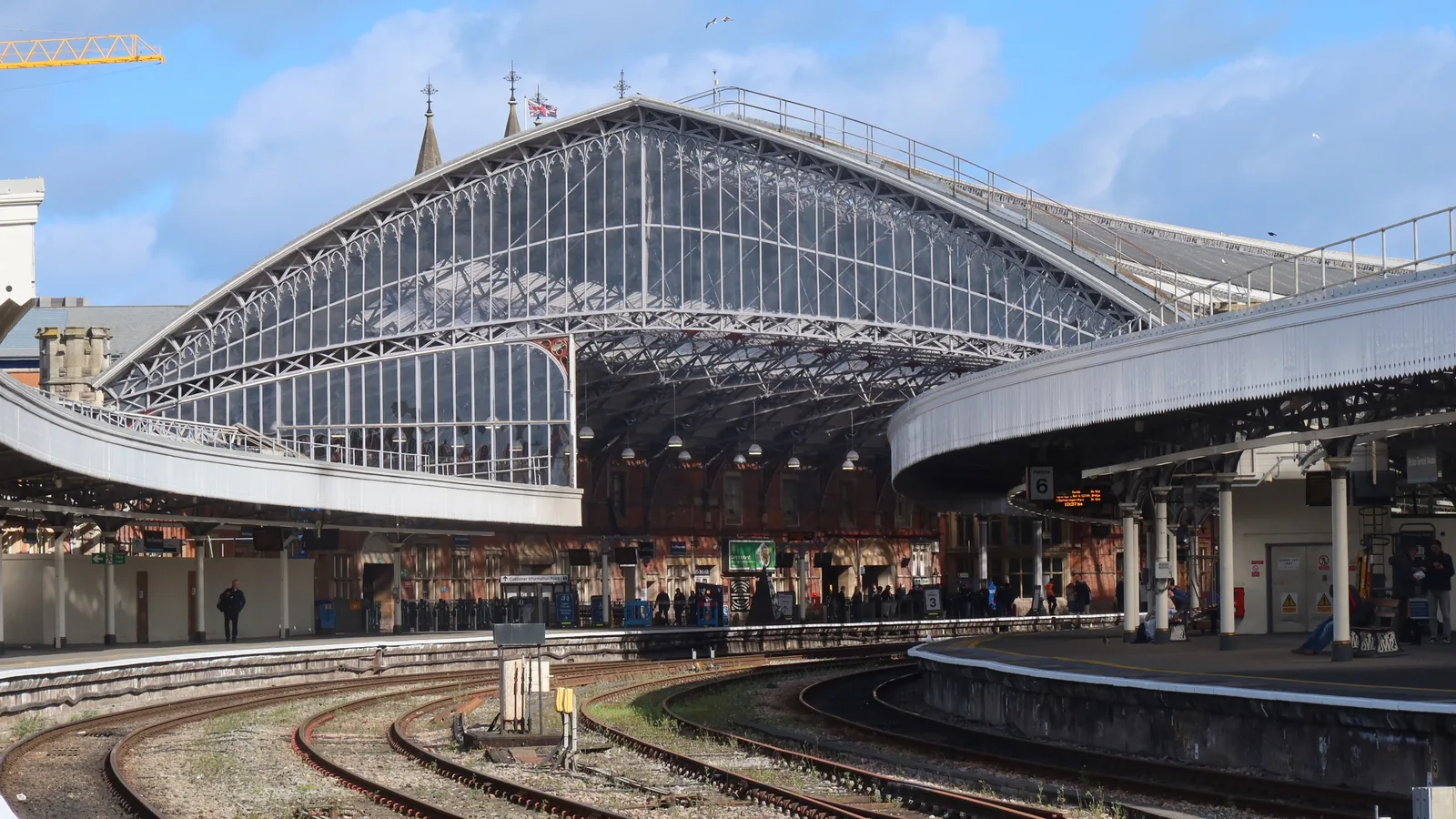
Temple Meads is the main station for visiting the centre. From the forecourt, walk towards Redcliffe, then the Old City and quays. With a suitcase, a bus or taxi may be more pleasant for an address across the centre. Before choosing, check the journey to your exact hotel address.
Bristol Parkway is north of the urban area, away from central walks. Check the station on your ticket, especially if a search offers several ‘Bristol’ destinations. For a central stay, a train arriving at Parkway generally requires an onward local train, bus or taxi.
Trains are mainly useful for leaving the city. Bath is reached directly from Temple Meads; GWR advertises fast services taking eleven minutes. Weekend works can lengthen the journey or involve replacement coaches. Check the timetable for your visit date before leaving.
Harbour ferries and taxis
A boat trip shows quays, footbridges and façades from the water. Services, stops and times vary by season. If you want to explore the harbour this way, plan it as a small outing with its own ticket rather than a connection included with your bus. Visit Bristol’s transport section helps find operators and their information.
A taxi makes sense after a long walk, with luggage or for a late return to a poorly served address. Ask the price or check the amount and meeting point in your chosen app. For the airport, the dedicated transfer guide presents the official taxi and A1 comparison tool; city taxi fares do not tell you an airport transfer’s price.
Do you need a car during your stay?
For central and Clifton visits, I recommend doing without. You will need to walk through neighbourhoods anyway; driving between streets adds parking and detours. A rental can, however, make a Mendips day or a wider trip easier.
The centre includes a Clean Air Zone. Cars affected by its emissions criteria pay £9.00 ≈ €10.75 per day; compliant vehicles do not pay this charge. Check the council’s vehicle checker and instructions for your vehicle, including if coming from abroad. This potential charge excludes parking: add car park costs if using one.
The right transport for your day
- Old City and quays: walking, with transport only to reach or leave your hotel.
- Brandon Hill and Clifton: a gradual climb on foot, then a bus back if you have walked enough.
- Street art: one northern or southern loop; use a bus to link both if the day grows too long.
- Bath: a train from Temple Meads, then exploring on foot.
- Leaving by plane: A1 or taxi, with a buffer for traffic and terminal formalities.
Choosing your accommodation area remains the simplest way to reduce everyday travel. A base near the quays works particularly well for a first weekend.
The airport transfer remains separate from city journeys. This offer lets you book one Airport Flyer journey in the direction chosen at purchase.