
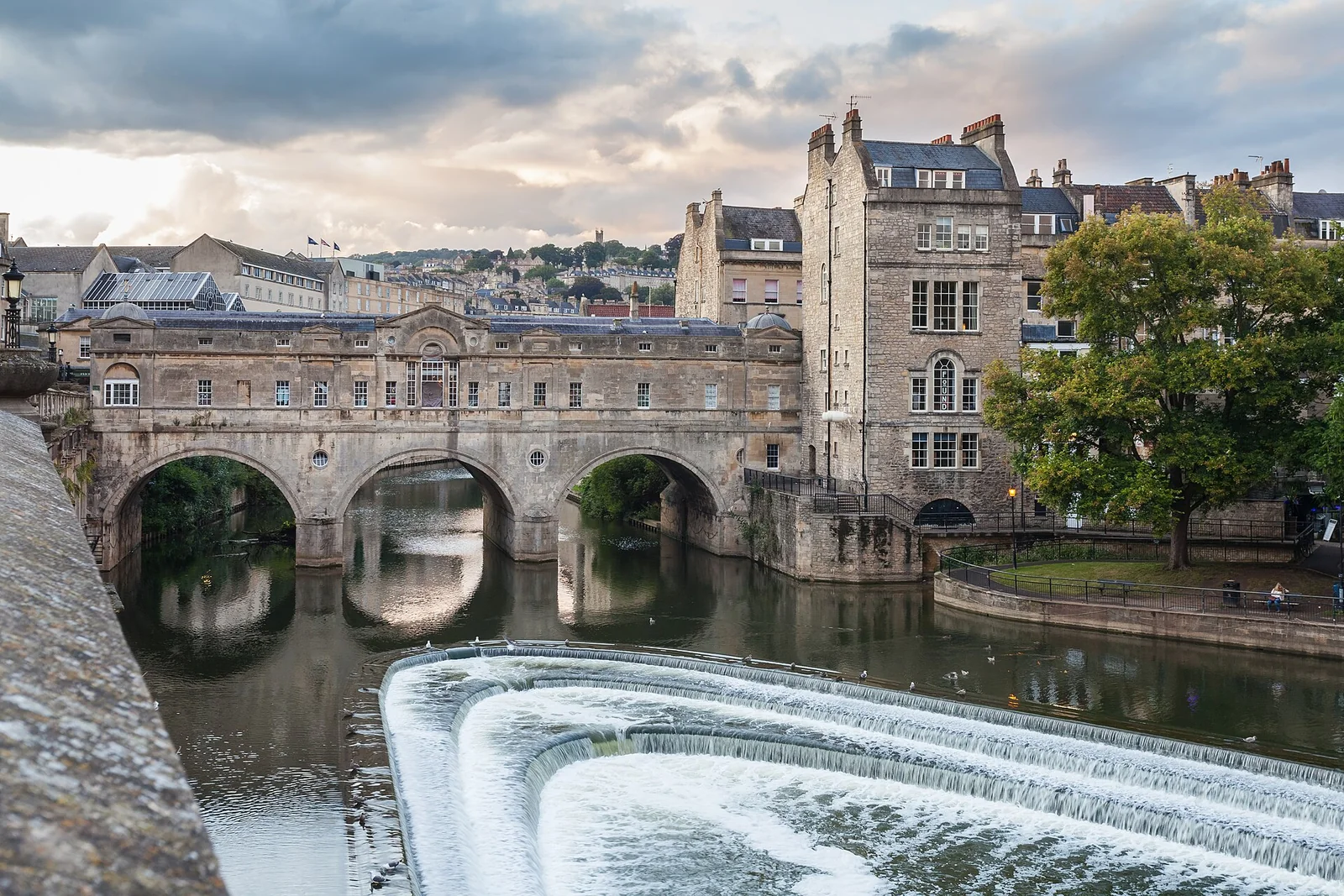
Take a train from Bristol Temple Meads to Bath Spa, then explore on foot. For a first day, choose the Roman Baths as your main attraction, have lunch in the centre and head to Pulteney Bridge, The Circus and the Royal Crescent. One major paid attraction leaves time to enjoy the city.
Bristol–Bath by train: two well-connected centres
GWR advertises eleven minutes for the fastest trains between Temple Meads and Bath Spa, with around four services an hour in normal operation. Stopping trains take longer. Check the timetable for your day and any engineering works, especially at weekends.
The train is better suited to this excursion than a car: Bath Spa station is near the centre and the main stops are linked on foot. From your Bristol hotel, you also need to reach Temple Meads, wait for the train and walk on arrival. Allow around an hour for the whole journey if staying fairly near the station, longer from Clifton.
Compare return fares and the conditions of the tickets offered on GWR. Prices depend on the date, time and applicable discounts. Do not book a return train too soon after a timed attraction ticket: an extra walk or a break can easily extend the afternoon.
A full day: leaving Bristol early in the morning and returning in the late afternoon makes for a pleasant pace. The timings below are planning pointers; adapt them to your bookings, the abbey’s tourist visiting hours and your chosen train.
The one-day route at a glance
| Time of day | Stop | Time to allow |
|---|---|---|
| Arrival | Bath Spa, city centre and Abbey Church Yard | Around 15 to 30 minutes, with an initial break |
| Morning | Roman Baths and the area around the abbey | Around two hours for the main visit, longer depending on your pace |
| Lunch | Historic centre | Around an hour |
| Early afternoon | Pulteney Bridge, then the city centre streets | Around 45 minutes to an hour, with detours |
| Afternoon | The Circus, Royal Crescent and return to Bath Spa | Around two hours, without adding a major museum |
You will start around the Roman Baths and the abbey before reaching the banks of the Avon and then the Georgian architecture to the north. The walk climbs gradually towards The Circus and the Royal Crescent. Expect several kilometres on foot over the day; to shorten it, stay around the abbey and bridge.
Morning: the Roman Baths
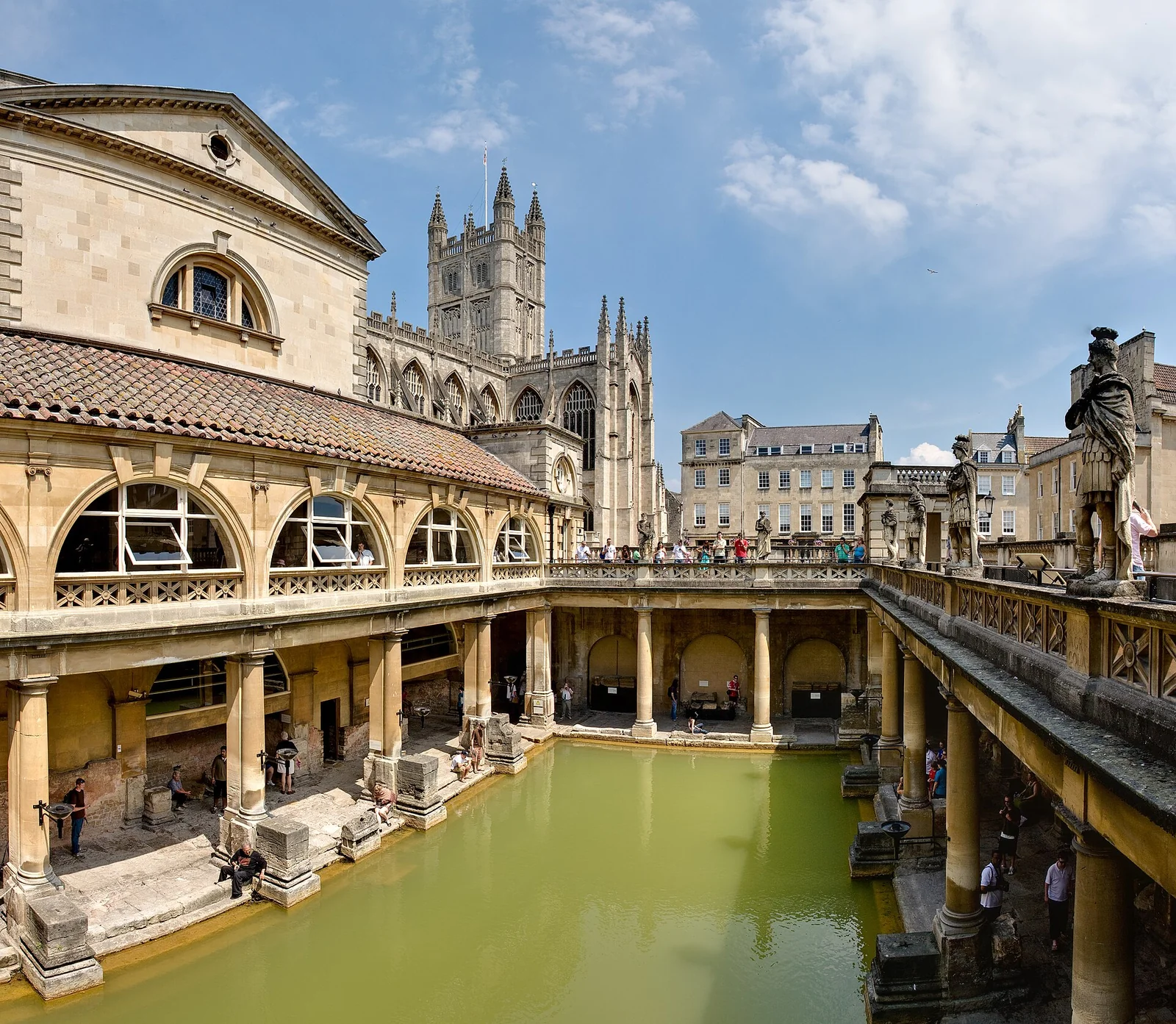
From Bath Spa, head up towards Abbey Church Yard. The Roman Baths are beside the abbey; the attraction’s website gives a walk of less than ten minutes from the station. The Great Bath, remains and museum explain the role of the hot springs in the city’s history.
For a first visit to Bath, this is the paid attraction I recommend prioritising. It offers something beyond a walk past façades and explains the city’s name. Allow around two hours and leave a buffer before any subsequent visit.
In September and October 2026, an adult ticket booked ahead costs £26.50 ≈ €31.65 on weekdays or £29.00 ≈ €34.64 at weekends and on bank holidays. Buying on the day adds £2.00 ≈ €2.39 under this price structure. Prices vary by season and family options: select your date on the official Roman Baths ticket site.
You visit the Roman Baths fully clothed: swimming is not allowed in the historic pools. A session at the modern Thermae Bath Spa is a different activity requiring a separate booking. If bathing is your priority, plan a much lighter itinerary around it.
Bath Abbey: plan your visit around services
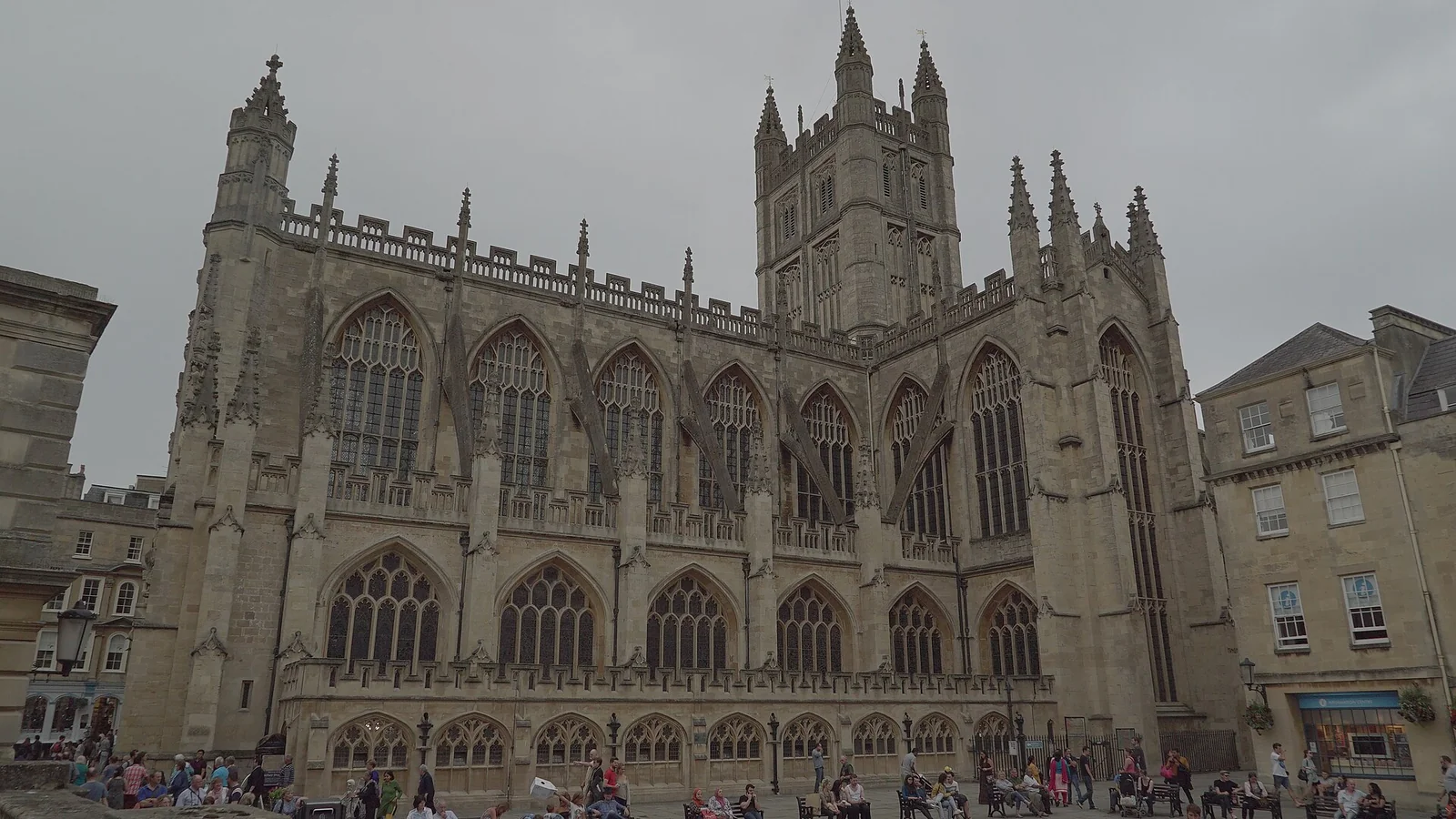
The abbey dominates the adjoining square. Its interior, vaulting and stained glass are worth a detour if you enjoy churches. Adult admission costs £9.00 ≈ €10.75; tower tours have their own conditions. You can also simply enjoy the façades and square if the Roman Baths have already filled the morning.
On Sundays, tourist visits start later and are concentrated in the afternoon. Services and events sometimes change the time slots: check the abbey’s visiting calendar to decide when to enter. If seeing inside is a priority, do it before heading up to the Royal Crescent rather than relying on a late return.
After lunch: Pulteney Bridge and the Avon
Have lunch in the centre rather than taking transport to somewhere distant. You will then remain among shopping streets and passages that are easy to explore. Head to Pulteney Bridge to see the shops built onto it and the view from the riverbanks.
To see the whole bridge, step back along Grand Parade and the waterside rather than staying only on the bridge itself: the shops hide part of the structure as you cross. A short riverside walk also changes the mood of the visit before you head back into the centre.
This part of the day is flexible. If you spent longer at the baths, shorten the detours along the Avon. If you chose to visit Bath without museums, spend more time around the bridge and old streets before climbing towards the Georgian architecture.
The Circus and the Royal Crescent
Head north of the centre to discover The Circus, the circular arrangement of stone houses. Then continue along Brock Street to the Royal Crescent. In front of the lawn, you have room to take in the curve of the façades and the views towards the hills.
You do not need to enter a building to appreciate the Crescent’s architecture. Take a break here before heading down towards the station to finish the walk. Respect gardens and private areas: people still live in the neighbourhood.
If Georgian interiors appeal to you more than antiquity, No.1 Royal Crescent can replace the Roman Baths in your plans. Adult admission costs £16.00 ≈ €19.11; it generally closes on Mondays, with exceptions, and announces occasional closures. Adding this museum after a long visit to the baths means shortening the rest of your city exploration.
Three ways to adapt the day
You only have half a day
Stay around the abbey and Pulteney Bridge, or choose one major indoor attraction followed by a short walk. The train journey is quick, but the Roman Baths and the walk to the Royal Crescent require time on site.
You want to keep spending down
An outdoor walk can be enough: the abbey from the square, the bridge, city centre streets, The Circus and Royal Crescent. Train tickets and meals then make up most of the cost. Indoor attractions and paid gardens are extra; you can enjoy the city without buying an admission ticket.
Rainy days and family visits
Plan one main attraction and a dry lunch break. The museums are not all close enough to visit one after another without tiring; The Circus and Crescent involve an uphill walk. If legs get tired, stay in the centre and shorten the loop. A shorter day can be far more enjoyable than returning to Bristol exhausted.
Budget and return to Bristol
Add the tickets you have actually chosen to your train fare. For one adult, weekday admission to the Roman Baths in September–October 2026, lunch estimated at £15.00 ≈ €17.92 and a break at £4.00 ≈ €4.78 already total £45.50 ≈ €54.34 excluding the train. This is a planning example; your chosen drink and meal change the total.
For two adults, Roman Baths and abbey tickets total £71.00 ≈ €84.80 on weekdays at these reference prices, before transport and food. Booking three indoor attractions therefore increases the budget quite quickly. The budget guide helps you place this outing within your whole stay.
Choose a return train that leaves time to reach the station after your final visit. Station screens and the operator’s app show the platform and any disruption. At Temple Meads, allow for the walk or bus to your hotel. For dinner, return to an area you have already identified: your day in Bath will have been full enough.
Routes on the map
Stops along the walk
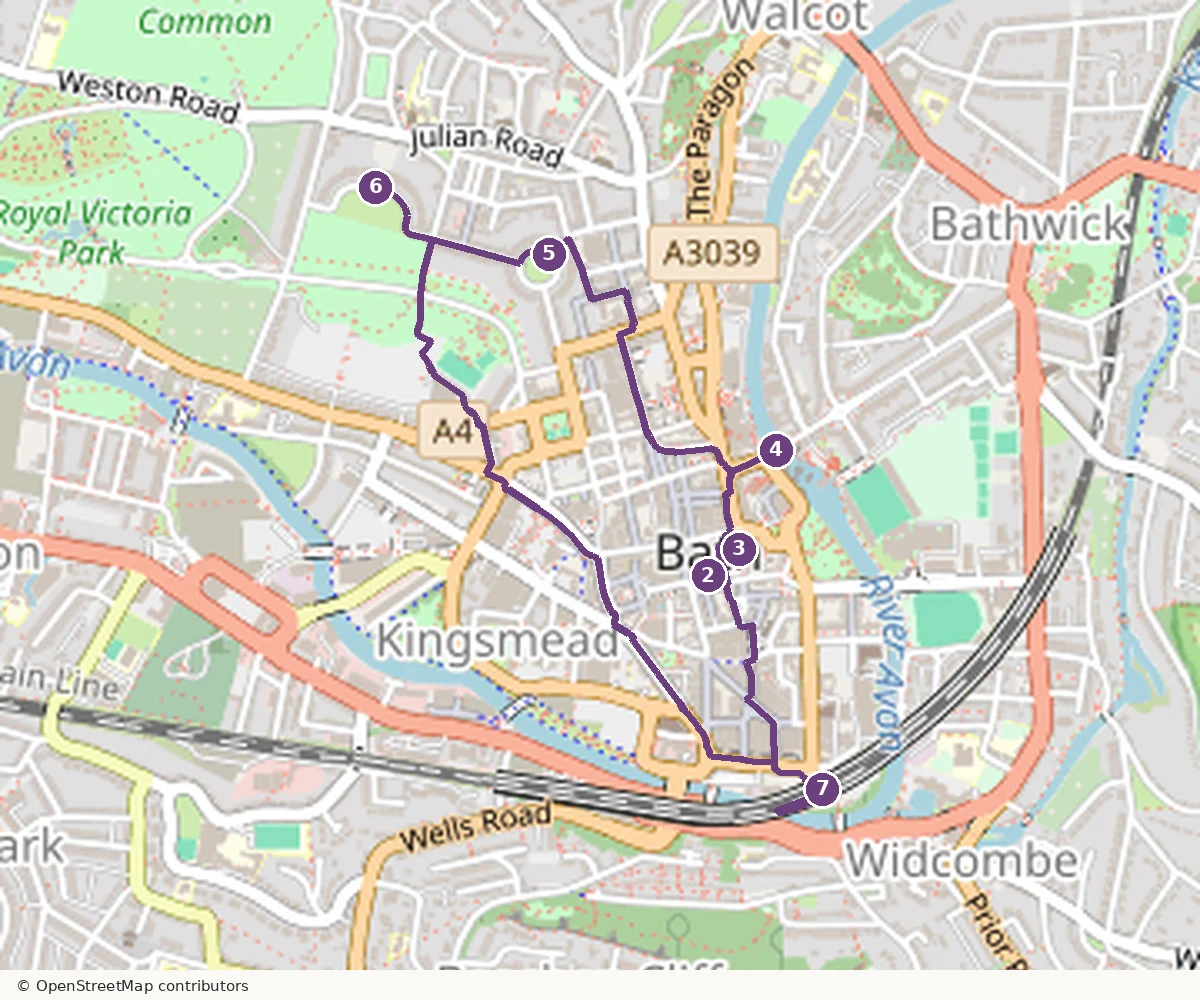
- Bath Spa
- Roman Baths
- Bath Abbey
- Pulteney Bridge
- The Circus
- Royal Crescent — façades
- Bath Spa
© OpenStreetMap contributors
If you want to explore the Roman Baths at your own pace, the ticket below includes an audio guide available in English. Arrange the journey between Bristol and Bath separately.
You can also begin with a guided walk through Bath, then enter the baths with the ticket included in this package. This tour replaces part of the independent route suggested above; the meeting point is in Bath.